Landscaping
Designing and building outdoor spaces across Staffordshire, Cheshire, and Derbyshire since 1995.

Designing and building outdoor spaces across Staffordshire, Cheshire, and Derbyshire since 1995.
A professionally landscaped garden adds value to your home in three important ways.
A thoughtfully designed garden is not only beautiful but also functional. Whether you’re relaxing with a drink on the patio, hosting a barbecue with family and friends, watching the children play, or simply enjoying a peaceful moment listening to the birds, your garden becomes an enjoyable space to live in.
A beautiful garden is something you can enjoy every day. From vibrant flowers and colourful foliage to attractive hard landscaping with great garden design, your outdoor space becomes an extension of your home. A place where you can truly relax; enjoy the sunshine, the bird singing, truly a place to be mindful.

A well-designed and expertly constructed garden can increase the value of your property by 10 to 15%. The design can create usable outdoor spaces, add privacy complimenting the quality and value of the property. Additionally it makes it more attractive to potential buyers, helping it sell more quickly.
Creating the perfect garden begins with understanding your vision. Our Director, who has over 30 years of landscaping experience, will visit you to discuss your ideas, requirements and budget. Depending on your project, we can either provide a detailed quotation following this initial consultation or arrange for our award-winning landscape designer to develop a bespoke design. Our designer will work closely with you to create a tailored plan, including a professional CAD design, ensuring every detail of your new garden has been carefully considered before work begins.


Every quotation we provide is comprehensive and transparent, leaving no ambiguity about what is included. We believe you should know exactly what you are paying for before any work starts.For complete peace of mind, all of our landscaping work is backed by a 12-month guarantee, covering both materials and workmanship.
At Blue Iris Landscapes, we combine over 30 years of experience with expert craftsmanship, creative design and a genuine passion for creating beautiful outdoor spaces. We pride ourselves on delivering exceptional quality, honest advice and outstanding customer service from the initial consultation through to the finished garden. Whether your project is a complete garden redesign or a smaller landscaping improvement, you can be confident that your investment is in safe hands, and that the result will be a garden you and your family will enjoy for many years to come.

Each project is developed through detailed planning and practical experience in how outdoor spaces are built and maintained.

Ben Clarke
“The difference in how a garden holds up over time usually comes down to the early decisions — layout, levels, and materials. They’re the parts people don’t always notice at first, but they’re what make the space feel right to use.”
A first conversation to understand your garden, your ideas, and any information you already have.
We assess the garden in detail — measuring the space, noting planting, levels, ground conditions and any constraints or existing features.
Our team will clearly detail all costs and give you a clear breakdown before any works begin.
Adjustments are made where needed, refining the layout and details until you're happy with the quote.
The build is delivered with the same level of care as the design, ensuring everything comes together as intended.
Once finished, the space is ready to be used and enjoyed. Ongoing support is available if anything needs attention.
* Timescales can vary slightly at this stage, as the design is developed carefully, with clear communication throughout.
Before we discuss your garden in detail, it can be useful to have a sense of what you’re naturally drawn to and how you expect to use the space day to day.
For some, the right approach is subtle, a well-balanced layout, clean materials, and planting that feels natural to the setting. For others, there’s an influence or preference in style shaping the direction.
It’s helpful to think about features, materials, and overall feel that stand out to you – the elements you notice and return to.
We tend to think about these in two ways:
Hard landscaping: the physical structure of the space, for example a pergola, or patio materials and fence panels.
Soft Landscaping: features such as the lawn or planting, including herbacious plants, shrubs and trees.
Hard landscaping elements shape how the garden is used, particularly in higher-use areas where durability and structure matter most.

Professionally designed and installed patios, terraces and pathways, creating durable, practical spaces that complement your garden.
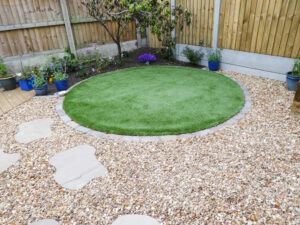
Professionally installed artificial turf for a neat, durable and low maintenance lawn all year round.
Professionally installed driveways and access routes, providing durable, practical surfaces that complement your property.

Professionally installed wood or composite decking, creating practical and attractive spaces for outdoor living.


Retaining walls, level changes and groundworks, creating stable and practical garden spaces.

Fencing, boundary treatments and drainage solutions designed to create practical, well managed garden spaces.
Soft landscaping shapes the space to become more personal. It’s about how it feels, changes, and settles through day-to-day use.
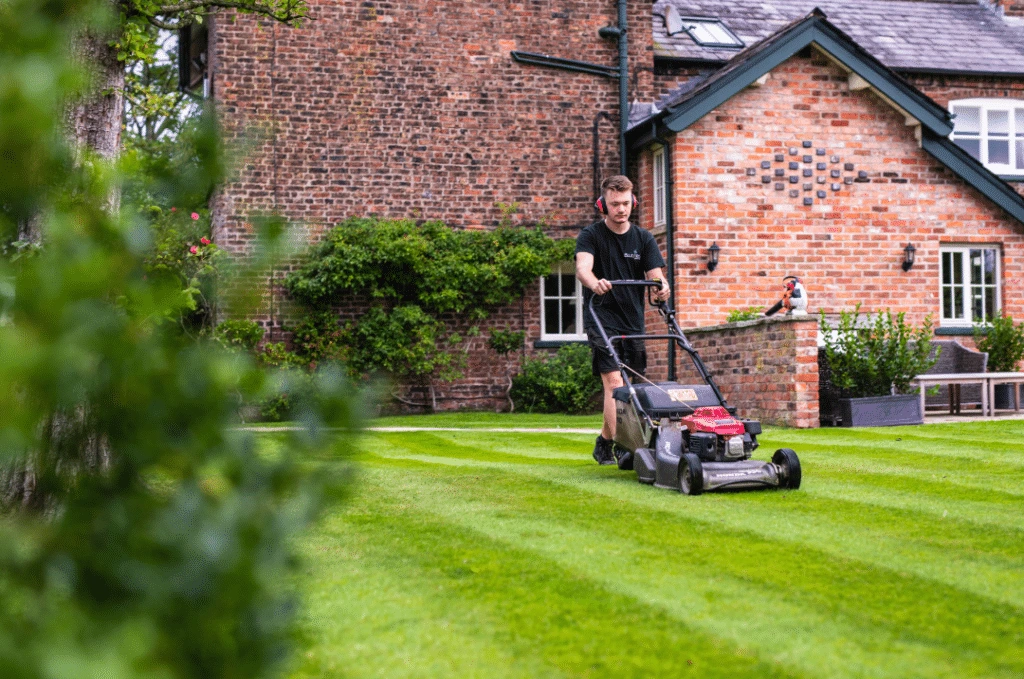
Professional ground preparation and turfing to create healthy and attractive lawns.

Carefully planned planting schemes that bring structure, colour and seasonal interest to your garden.

Reshaping and enhancing existing borders with new and specimen planting to create structure, year round colour and added impact.
Some spaces take on a clearer character, shaped by how they’re used and the feel you’re naturally drawn to.
Others remain more subtle, guided by balance, proportion, and how everything sits together.
Where it’s helpful, we can explore different directions like these:
Contemporary and Structured
Clean lines, considered materials, and a calm, organised layout that holds its form well in higher-use areas.
Natural and Informal
Softer planting, relaxed edges, and a more organic flow that responds naturally to the surrounding conditions.
Cottage-Style Gardens
Layered planting, seasonal colour, and a sense of softness and detail that builds over time.
Minimal or Architectural
Simplified layouts where proportion, spacing, and material choice carry the space.


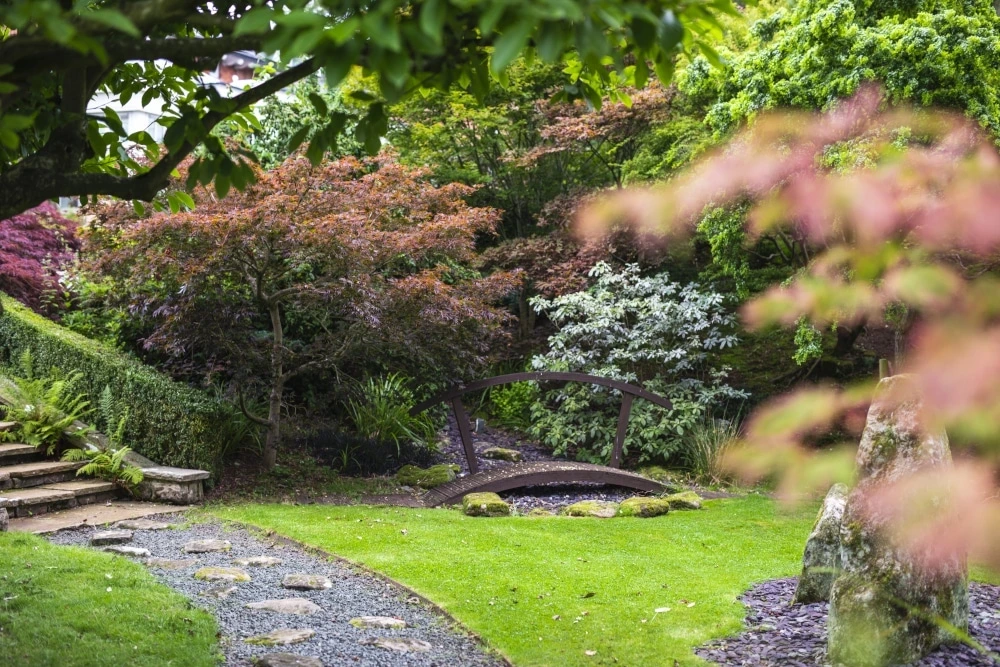
Some gardens take inspiration from more defined design traditions:
Japanese-Inspired Gardens
Balance, texture, and restraint, with careful placement and a focus on calm, deliberate composition.
Mediterranean Influences
Warm tones, textured materials, and planting suited to drier, sun-exposed areas.
Formal European Gardens
Symmetry, structure, and controlled planting creating a more ordered feel.
Every garden comes with its own layout, features, and natural characteristics.
These are considered throughout the design process, helping shape a space that feels cohesive, balanced, and built to perform.
You don’t need to have every detail resolved before we speak. That’s something we can work through with you, step by step.
While many projects are residential, the same thinking applies to a wide range of outdoor spaces.
Schools and Learning Environments — from structured play areas to informal green spaces
Care Settings — gardens designed to feel calm, accessible, and easy to navigate
Courtyards and Shared Spaces — where layout and durability are key
Wider Outdoor Environments — shaped around how they’ll be used day to day
Each is approached in the same way, understanding how the space will function, and designing around that.
Landscaping and garden design is the process of planning, designing and creating an outdoor space that is both attractive and practical. Garden design focuses on how different areas work together, including patios, planting, lawns, pathways, lighting and outdoor living spaces. A professional landscape design considers your lifestyle, the property’s existing features, drainage, sunlight and long term maintenance to create a garden that looks beautiful throughout the year.
Garden design is the planning stage where the layout, style and planting scheme are developed, while landscaping is the physical construction of that design. A successful project combines both disciplines, ensuring that every feature is carefully planned before construction begins. This approach reduces costly changes during the build and helps create a garden that is functional, visually balanced and built to last.
The four most common landscape design styles are contemporary, traditional, cottage and naturalistic. Contemporary gardens use clean lines and modern materials, while traditional gardens feature formal layouts and classic planting. Cottage gardens create a softer appearance with colourful planting, and naturalistic gardens focus on wildlife friendly planting and informal spaces. The right style depends on your home, personal taste and how you intend to use the garden.
The five basic elements of landscape design are line, form, colour, texture and scale. These principles help create balance and harmony throughout a garden. Designers use lines to guide movement, forms to shape spaces, colours to create visual interest, textures to add contrast and scale to ensure every feature suits the size of the garden. Combining these elements produces an outdoor space that feels natural and well proportioned.
The seven principles of landscape design are balance, proportion, unity, rhythm, emphasis, transition and repetition. Together they help create gardens that feel organised and visually appealing. These principles influence everything from the positioning of seating areas to the choice of planting and materials, ensuring every part of the garden works together rather than appearing disconnected.
A professional garden design provides a clear plan before construction starts, reducing unexpected costs and helping contractors work more efficiently. It allows important factors such as drainage, levels, access, planting, lighting and future maintenance to be considered early in the project. A detailed design also makes it easier to visualise the finished garden and ensures the final result matches your expectations.
A comprehensive landscape design should include the overall layout, dimensions, ground levels, planting areas, hard landscaping materials, pathways, seating areas, lighting, drainage considerations and any specialist features such as pergolas or water features. Many professional designers also produce CAD drawings and realistic visualisations so homeowners can understand exactly how the completed garden will look before work begins.
The design process varies depending on the size and complexity of the project. A straightforward residential garden may take only a few weeks from the initial consultation to the final design, while larger or more detailed projects can take longer. The process normally includes a site survey, concept development, revisions and preparation of construction drawings before landscaping work begins.
Yes. A low maintenance garden can still be attractive and functional when designed correctly. Professional designers carefully select durable materials, suitable planting, efficient drainage and practical layouts that reduce ongoing upkeep. Features such as evergreen planting, high quality paving and well planned borders can significantly reduce the amount of gardening required while keeping the space attractive throughout the year.
For many homeowners, a professional garden design helps maximise the available space, improve usability and create a garden that complements the property. Careful planning can prevent expensive mistakes during construction, improve the longevity of materials and ensure the finished landscape functions well for many years. A thoughtfully designed garden can also enhance kerb appeal and contribute to the overall value of a property.
Landscaping designed to perform over time.
Surfaces hold up, layouts remain practical, and the space continues to work as it should.