
Chafer Grub Treatments
Blue Iris Landscapes can help identify lawn damage caused by Chafer Grubs and investigate other possible causes that may affect lawn health. Our professional Chafer Grub treatment team will provide appropriate treatment and maintenance suggestions based on the actual condition of the lawn to help reduce Chafer Grubs and the further damage they cause, and promote the gradual recovery of the damaged lawn.
What Are Chafer Grub?
Chafer grub are the larvae of chafer beetles. Some species live in the soil beneath the lawn and feed on grass roots. As the grass roots are damaged, the lawn lacks nutrition and a healthy growth state, gradually becoming fragile and showing signs of yellowing, thinning, or local damage.
Signs of Chafer Grub Damage
Chafer Grub usually live beneath the surface of the lawn, so they are not easy to be discovered at first. However, by observing the condition of the lawn, the following signs may indicate that there is a chafer grub problem beneath the lawn

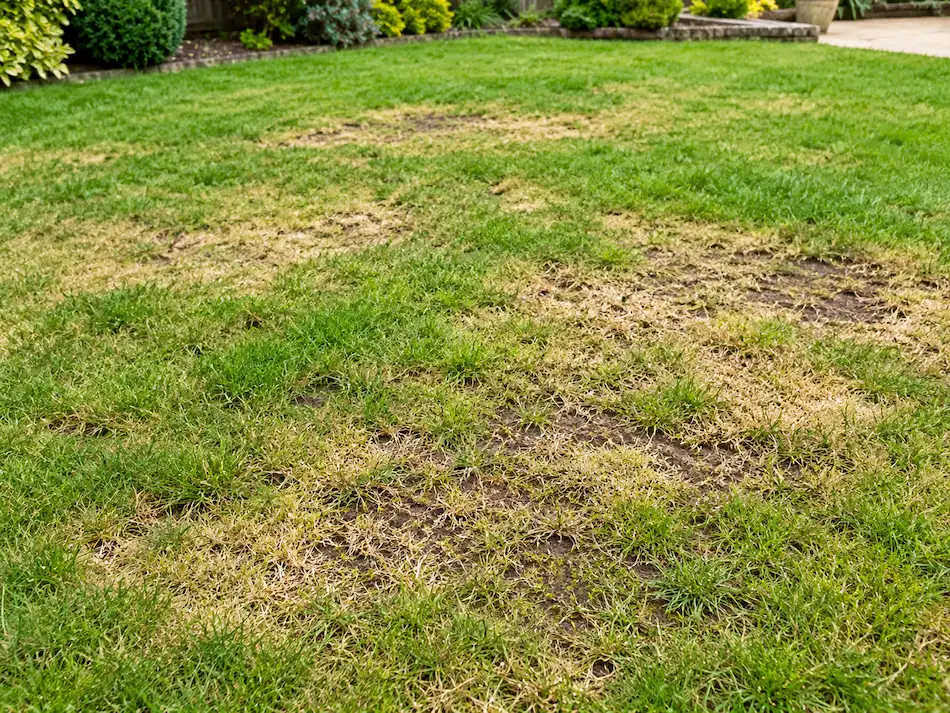
The lawn shows signs of yellowing, thinning, partial withering, and damage.
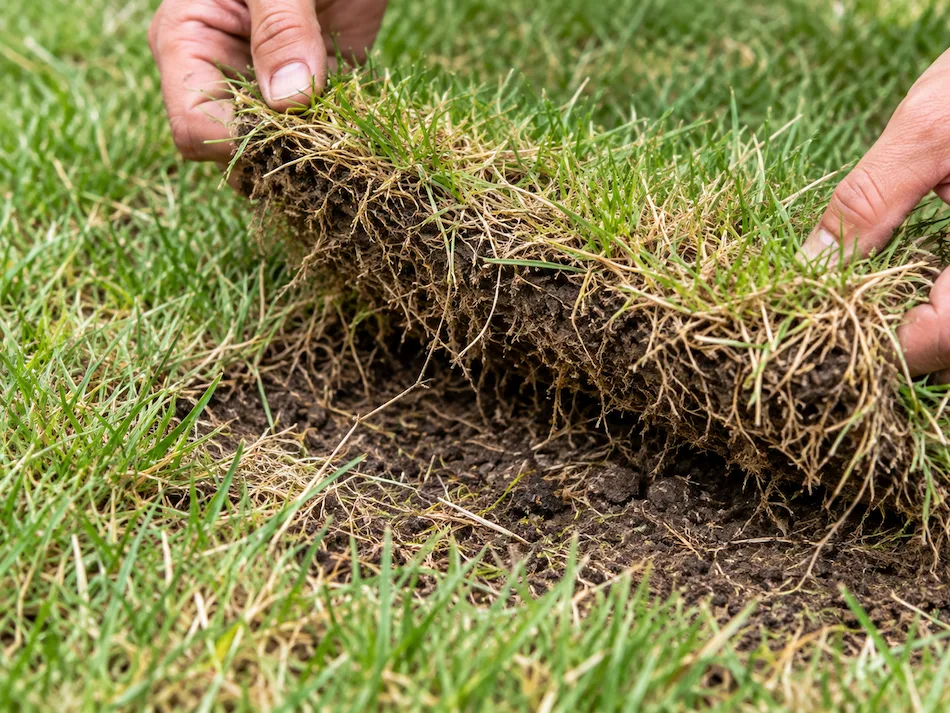
The turf has become loose and is even easily lifted up
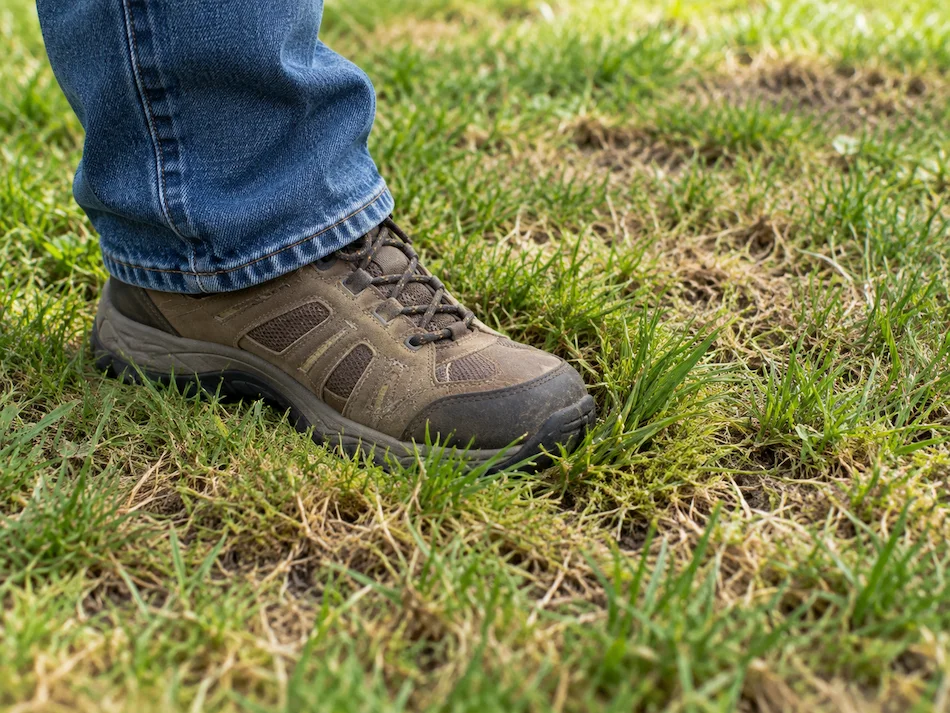
The lawn feels soft and hollow when stepped on.
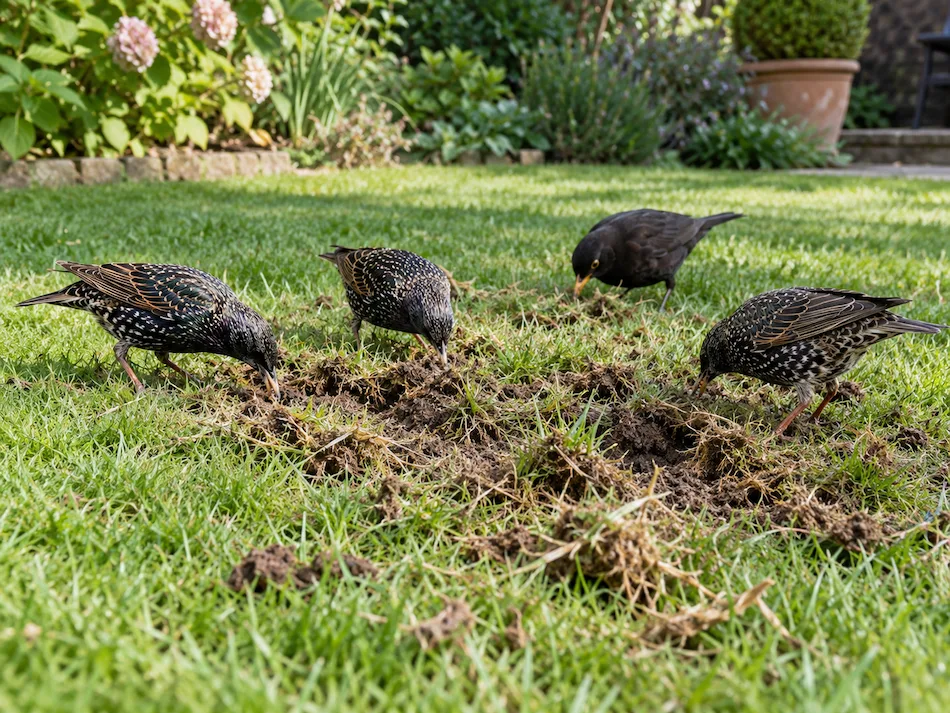
Birds frequently peck at the lawn in the same area
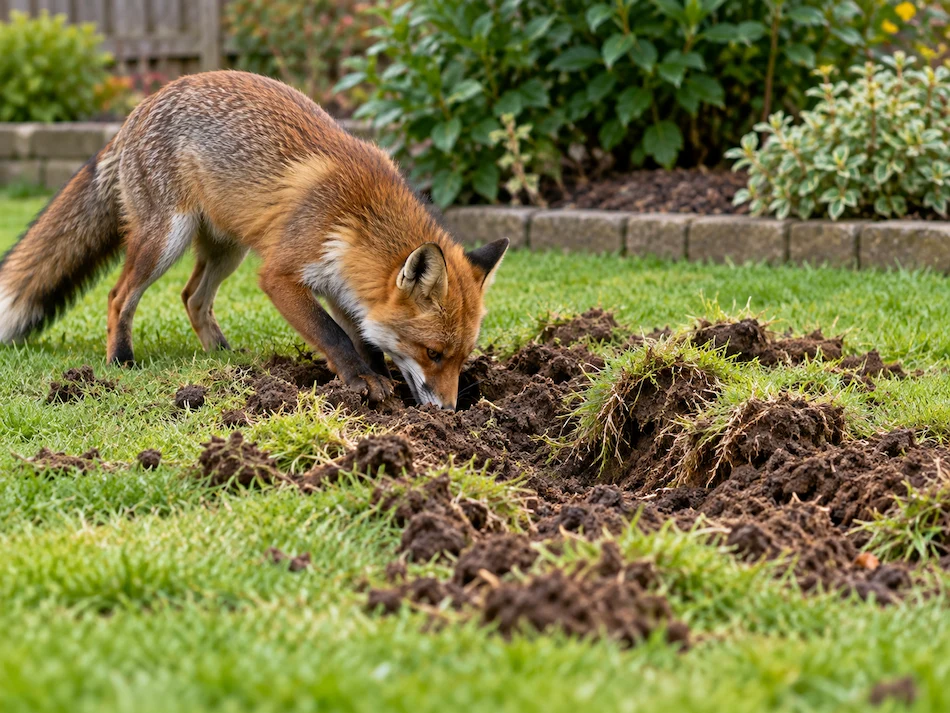
Foxes or badgers dig up the grass
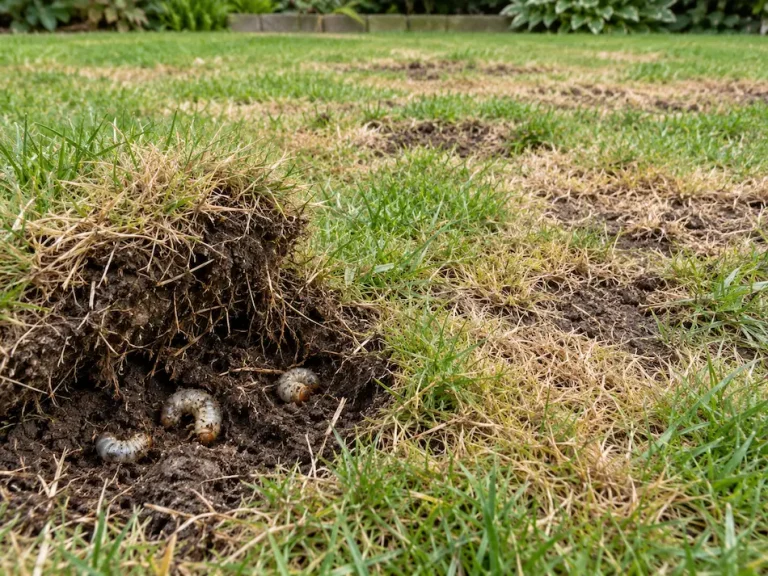
After lifting the damaged turf, white larvae with C-shaped bodies can be seen.
These symptoms may also be caused by other lawn problems, so it is best to confirm the actual cause first and then decide on the appropriate treatment method.
Our Chafer Grub Treatment
1. Inspect the lawn
Check the damage to the lawn and possible chafer grub signs.
2. Inspect Beneath the Turf
Check the affected area for loose turf, root damage, and the presence of chafer grubs in the soil beneath.
3. Assess the Extent of the Problem
Determine the extent and severity of infestation and lawn damage.
4. Rule Out Other Lawn Problems
Carry out an additional check for other possible lawn problems with symptoms similar to chafer grub damage, including leatherjackets and fungal disease.
5. Recommend Treatment and Recovery
Suggest appropriate treatment timing, handling plans, and lawn recovery based on the actual situation.
When Is the Best Time for Treatment?
Soil temperature is an important factor in chafer grub treatment. Treatment is generally more effective when the soil is warm enough and remains moist. During colder periods, especially in autumn and winter, low soil temperatures may reduce treatment effectiveness. Blue Iris Landscapes will assess soil conditions before treatment and recommend the most suitable timing.
Lawn Recovery & Aftercare
Controlling the Chafer Grub is only the first step in restoring the lawn. If the grass roots have already been damaged, or if the lawn shows sparse, exposed, and damaged areas, further maintenance and repair may still be needed.
According to the degree of damage to the lawn, Blue Iris Landscapes can suggest appropriate subsequent maintenance plans to help the lawn re-establish a healthy growth state. This may include reseeding, fertilization, lawn aeration, scarification , or top dressing, etc., to help you restore your lawn to a healthy and beautiful growth state and condition as soon as possible.
Why Choose Blue Iris Landscapes?
Blue Iris Landscapes, as experts in lawn care, will inspect the actual condition of the lawn to determine whether the problem is caused by Chafer Grubs or other factors, and then provide appropriate solutions based on the pest situation, the degree of lawn damage, and soil conditions.
In addition to addressing the current pest problem, we will also consider the subsequent recovery and maintenance needs of the lawn, reduce further damage to the lawn, and gradually restore the lawn to a healthy state, helping clients reduce their worries about the health of the lawn and eliminate the trouble of lawn maintenance.
Chafer Grub Treatment FAQs
Common signs include yellowing or thinning grass, dead or damaged patches, loose turf that lifts easily, frequent bird activity, and digging by foxes or badgers. You may also find white, C-shaped grubs beneath the damaged turf. As similar symptoms can also be caused by other lawn problems, such as leatherjackets or fungal disease, an inspection is recommended to confirm the cause.
Treatment timing can be affected by the grub’s stage of development, as well as soil temperature and moisture levels. Treatment is generally more effective when the soil is warm and moist, and the grubs are active. Before treatment, Blue Iris Landscapes will assess the lawn and soil conditions to determine whether immediate treatment is suitable.
Blue Iris Landscapes as experts in lawn will first assess the condition of the lawn and confirm whether chafer grubs are present, or whether similar symptoms may be caused by other problems such as leatherjackets or fungal disease. The most suitable treatment can then be recommended based on the level of infestation, the condition of the lawn and the soil conditions, with follow-up lawn care and recovery arranged where needed.
Some chafer grub species live beneath the lawn and feed on grass roots, damaging the root system and causing the grass to become weak, yellow or thin. As the roots are damaged, the turf may also become loose. Birds, foxes and badgers searching for the grubs can then cause further damage by digging into the lawn.
Many lawns can gradually recover with the right treatment and aftercare. The recovery plan will depend on the level of damage and may include overseeding, feeding, aeration, scarification or localised lawn repair.
Contact Blue Iris Landscapes to arrange a lawn inspection. The chafer grub treatment team will assess the current condition of the lawn and recommend the most suitable treatment and follow-up care based on the findings.
