
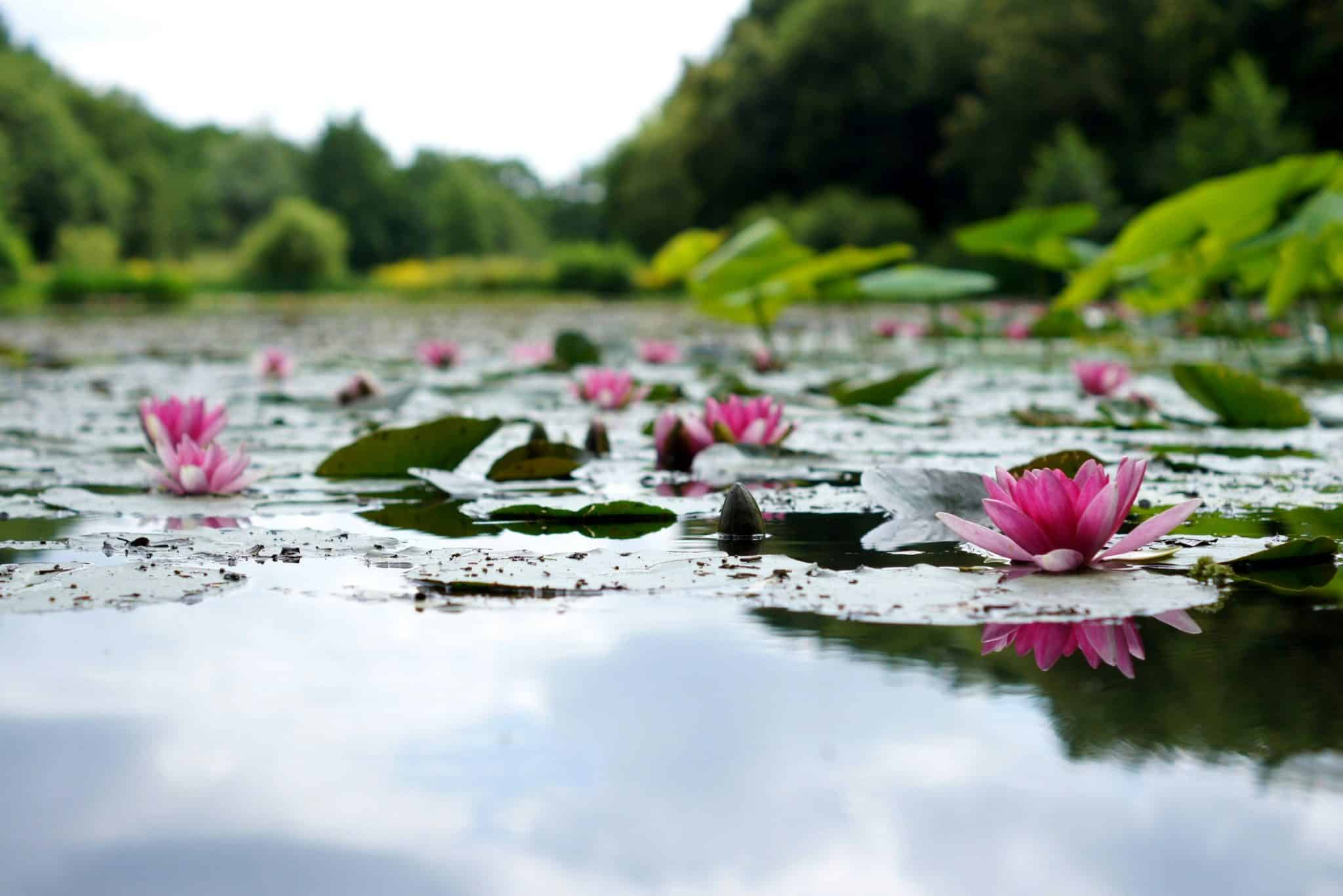
Best Plants for Garden Ponds: A Complete Guide to Pond Planting in the UK
Why Choosing the Best Plants for Garden Ponds Matters
Selecting the best plants for garden ponds is not only important for the overall appearance of the pond, but also for the health and biodiversity of the pond. Having a well-planned mix of aquatic plants for ponds helps to create a healthier and more resilient garden pond that compliments and works well with its surroundings.
Investing time in selecting the best plants for pond edges, shallow zones, and deeper water areas ensures your garden pond is not only visually appealing but also ecologically balanced and low maintenance in the long term.
Marginal Pond Plants: The Best Plants for Pond Edges
Marginal pond plants are positioned around the perimeter of a pond in shallow water, they create a beautiful transition between the water and the surrounding garden. Marginal plants thrive the best when in moist conditions, this is why it is important to have them in shallow water where their roots are submerged.
Not only do marginal pond plants play an important role in creating an appealing visual to the pond edges, but they also contribute towards the pond health, by absorbing nutrients from the water and surrounding soil, improving water quality, and reducing excessive algae growth.
From a design perspective, marginal plants create different levels of height, texture, and seasonal interest around the water’s edge. Taller pond plant species create structure as well screening for shaded areas, whilst shorter species help to blend the pond more seamlessly into the surrounding areas and planting beds. When marginal pond plants are combined with floating pond plants and deep-water species, they create an important layer within a well thought out pond design.
By incorporating a thoughtful selection of marginal plants, homeowners can create pond edges that are visually appealing, ecologically valuable, and perfectly integrated into the wider garden landscape.
Floating Pond Plants: Natural Shade and Algae Control
Floating pond plants sit directly on the water’s surface with their roots being fully submerged in the water below. One of the biggest benefits of floating pond plants is that they create natural shade, this then creates cover on the water’s surface from direct sunlight, therefore being able to regulate the temperature of the water and creating a more comfortable and suitable environment for aquatic life during the summer months.
Not only do floating pond plants create natural shade, but they also create natural algae control, algae grow and thrive the most when there is excess sunlight and nutrients available. By having floating pond plants, this reduces the spread of algae as the plants absorb the nutrient and the sunlight, resulting in fewer algae-related issues and improved water clarity.
As well as contributing to the visual of the pond and the benefits to water quality, their leaves and roots also provide shelter for amphibians, aquatic insects, and other wildlife.
In terms of design, floating pond plants create more texture and movement to the surface of the water, creating a more natural appearance as they glide gently with the water.
However, even though floating plants create all of these benefits, if too many are planted, they can restrict too much sunlight and restrict oxygen exchange. It is best to find an area to concentrate the floating pond plants so that you don’t overcrowd the surface of the water.
Deep Water Pond Plants: Adding Structure and Colour
Deep water plants are often considered the centrepiece of a well-designed pond. These plants grow in the deepest areas of the water, whilst bringing height, colour, visual balance, and contributes to the health of the pond’s ecosystem. Deep water species help to create a well-planned layered pond planting scheme, and compliment both marginal pond plants and floating pond plants.
Just like floating pond plants, deep water pond plants have broad leaves, such as water lilies, which helps to create shade over the water surface, therefore then helping to discourage excessive algae growth.
Deep water pond plants help to fill up space in the centre of the pond, their foliage and flowers create depth, colour, and visual contrast, overall enhancing the appearance of the overall landscape.
When combined with best plants for pond edges and carefully selected surrounding planting, they help establish a balanced composition that integrates seamlessly with the wider garden design.
How Pond Plants Support a Healthy Garden Ecosystem
Selecting your pond plants isn’t just about the visual benefits that they have and the appearance of the pond, but they also create a thriving ecosystem that supports wildlife, improves biodiversity, and contributes to the overall health of the garden.
Aquatic plants for ponds are a great way to create habitats, by providing food, shelter, and breeding opportunities for a wide variety of species. Frogs, newts, dragonflies, damselflies, aquatic insects, and birds all benefit from the cover and resources that pond vegetation provides.
A successful pond ecosystem relies on a variety of plant types working together. Marginal pond plants create sheltered areas around the water’s edge, offering protection for amphibians and insects, while floating pond plants provide resting places and surface cover. Beneath the water, oxygenating pond plants help maintain ecological balance by releasing oxygen during daylight hours and providing refuge for aquatic life.
Ultimately, choosing the best plants for garden ponds is about much more than aesthetics. By combining best plants for pond edges, deep-water species, floating vegetation, and oxygenators, homeowners can create a pond that not only looks beautiful but also serves as a valuable ecological asset within the garden. A thoughtfully planted pond becomes a living ecosystem, supporting wildlife and enhancing the natural balance of the outdoor space for years to come.
Creating a Beautiful and Balanced Garden Pond
A successful garden pond combines visual appeal with ecological value. While features such as water movement, natural stone, and surrounding landscaping all contribute to the overall design, it is often the planting that brings the pond to life. Selecting the best plants for garden ponds helps create a feature that not only looks attractive throughout the year but also supports a healthy and balanced aquatic environment.
A thoughtful pond planting scheme can also transform a pond into a valuable wildlife resource. By incorporating wildlife pond plants and pollinator-friendly species, homeowners can attract a diverse range of insects, amphibians, birds, and other beneficial wildlife. This not only enhances biodiversity but also creates a more dynamic and enjoyable outdoor space.
Ultimately, a well-designed pond is much more than a decorative water feature. It can become a focal point within the garden, a haven for wildlife, and a valuable contributor to the wider ecosystem.
By investing in the right combination of aquatic plants, homeowners can create a space that is both beautiful and environmentally beneficial, delivering enjoyment and ecological value for years to come.