
Why Butterflies Are Important in UK Gardens
Seeing the gentle flutter of a butterfly on a warm, sunny day can make you feel calm and tranquil as you sit in the gentle breeze of your garden. Beyond their colourful appearance, butterflies in UK gardens play a valuable role in supporting healthy ecosystems and are often considered an indicator of a thriving outdoor environment.
Bees are often considered the UK’s best-known and most effective pollinators. However, butterflies also help to transfer pollen between blooms, supporting the reproduction of a wide range of wildflowers and ornamental plants. Their long feeding periods and preference for nectar-rich flowers make them an important part of the wider community of pollinators.
Many British butterflies are sensitive to changes in temperature, weather patterns and habitat quality, so fluctuations in butterfly populations can provide valuable insight into the condition of the surrounding environment. Butterfly species are often attracted to gardens that offer a diverse range of plants, food sources and sheltered spaces, all of which contribute to stronger garden biodiversity.
Not only do butterflies contribute to pollination in gardens, but they also form part of a much larger food web. Caterpillars are an essential food source for birds and other wildlife, while adult butterflies contribute to the balance of local ecosystems by interacting with a variety of plants and insects. Supporting butterflies therefore benefits many other species, helping to create a more resilient and interconnected garden ecosystem.
Common Butterflies You May Spot in Your Garden
The UK is home to almost 60 butterfly species; however, only a small number of these are likely to be spotted in residential gardens where there are nectar-rich flowers, sunny areas and suitable habitats.
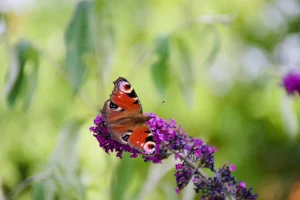
Peacock Butterfly (Algais io)
The Peacock butterfly is one of the most common and easiest butterflies to spot in your garden, thanks to its striking eye-shaped markings on its wings. These patterns aren’t just for appearance; they also help to deter predators by making the butterfly appear larger than it really is.
These adult butterflies tend to emerge in early spring and feed on flowers after winter hibernation. Buddleia, lavender and sedum are among their favourite nectar sources later in the season.
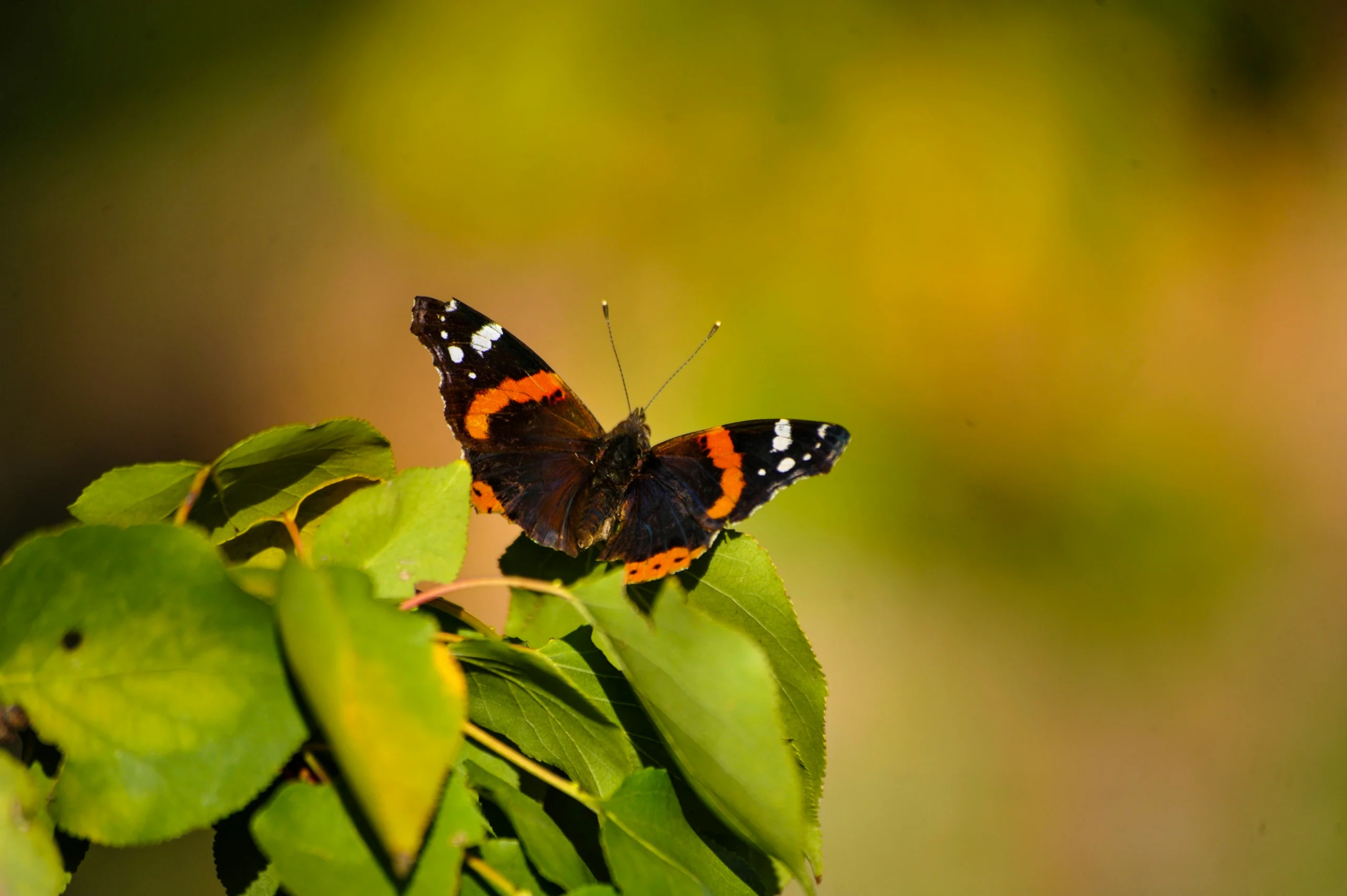
Red Admiral (Vanessa Atalanta)
The Red Admiral is another common butterfly to spot in your garden. It is recognised by its black wings with bold red bands and white markings. This butterfly is a strong flyer and is frequently seen basking in sunny spots or feeding on late-flowering plants.
Red Admirals migrate to Britain from mainland Europe each year. However, due to rising temperatures, milder winters have allowed more of these butterflies to remain in the UK throughout the year.
Small Tortoiseshell (Algais urticae)
A long-standing favourite among butterfly species in the UK, the Small Tortoiseshell displays vibrant orange wings edged with blue and black markings. Caterpillars rely heavily on common nettles as their food plant, making patches of nettles surprisingly valuable for supporting butterfly populations.
Adults are regularly attracted to nectar-rich garden flowers and can often be seen from spring through to autumn.
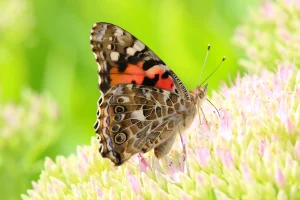
Painted Lady (Vanessa cardui)
Did you know that the Painted Lady is one of the world’s most widespread butterfly species? This butterfly is well known for its remarkable long-distance migrations. Each year, large numbers travel thousands of kilometres from southern Europe and North Africa before reaching the UK.
Holly Blue (Celastrina argiolus)
The Holly Blue is a small but attractive butterfly with delicate pale blue wings. It is often found in gardens containing holly, ivy or flowering shrubs, where females lay their eggs.
Unlike many butterflies that favour open meadows, Holly Blues have adapted well to parks, gardens and suburban landscapes, making them one of the more regularly encountered species in urban areas.
The Butterfly Life Cycle Explained
Before becoming the colourful, fluttering insects we recognise in our gardens, butterflies first exist as caterpillars, providing an important food source for birds and other insects before undergoing the remarkable transformation known as complete metamorphosis. The butterfly life cycle consists of four distinct stages – egg, caterpillar, chrysalis and adult butterfly – with each stage playing an essential role in the species’ survival.
Stage 1: Egg
To begin the butterfly life cycle, the female lays her eggs on a suitable, protected plant. Females do not choose just any plant; they select specific host plants, also known as larval food plants, which provide the right nutrition for their caterpillars once they hatch.
Not all butterflies use the same species of plant. For example, Small Tortoiseshell butterflies tend to lay their eggs on stinging nettles, while Holly Blue butterflies typically lay their eggs on holly during spring and ivy later in the year. Protecting these plants, even if they appear less ornamental, can make a significant difference to local butterfly populations.
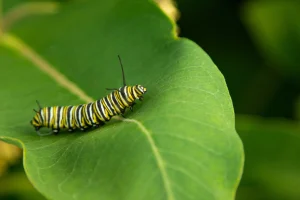
Stage 2: Caterpillar (Larva)
Once the egg hatches, the butterfly enters its larval stage as a caterpillar. During this phase, its primary purpose is to eat and grow. Caterpillars consume the leaves of their host plants, storing the energy needed for the remarkable transformation that follows. A wildlife-friendly garden recognises that healthy ecosystems depend on supporting every stage of an insect’s life—not just the adult butterfly.
Stage 3: Chrysalis (Pupa)
Once the caterpillar has reached full size, it forms a protective case around itself called a chrysalis, or pupa. Inside this outer shell, the caterpillar’s body is completely reorganised into the form of an adult butterfly.
Depending on the species and the time of year, this stage can last from several days to many months. Some species even remain inside the chrysalis throughout the winter before emerging the following spring, when conditions are more suitable and temperatures have risen.
Stage 4: Adult Butterfly
The final stage is the emergence of the adult butterfly. Once its wings have expanded and dried, it begins searching for nectar-rich flowers to provide the energy needed for flight. At this stage, adult butterflies also seek suitable habitats where they can find shelter, locate mates and lay eggs, allowing the cycle to begin again.
Many butterflies in UK gardens depend on flowering plants such as lavender, verbena, buddleia and scabious as important nectar sources. These plants provide the energy needed for butterflies to reproduce and continue their life cycle.
Supporting Every Stage of the Life Cycle
Creating a garden that supports butterflies means thinking beyond seasonal displays of flowers. A diverse planting scheme that includes nectar-rich blooms, suitable host plants, sheltered areas and natural habitats can provide the resources butterflies need from egg to adulthood.
By understanding the butterfly life cycle, gardeners can make more informed planting decisions that not only attract adult butterflies but also help future generations thrive.
The Best Plants for Butterflies
One of the simplest and most effective ways to attract butterflies into your garden is by including a wide variety of flowering plants within your planting scheme. A diverse range of plants provides a reliable source of nectar throughout the year. Different species flower at different times, ensuring food is available from early spring until late autumn and attracting a wider variety of butterflies.
This not only benefits butterflies but also other pollinating insects such as bees and hoverflies. Here are some examples of plant species you could include in your garden to attract and support butterflies and other pollinators.
Buddleia (Butterfly Bush)
Buddleia is often considered one of the best plants for attracting and supporting British butterflies. It produces large, fragrant flower spikes that are rich in nectar during the summer months. Its long flowering season supports many butterfly populations and regularly attracts species such as Peacock, Red Admiral, Painted Lady and Small Tortoiseshell.
Lavender
Lavender is another excellent choice for attracting butterflies into your garden. Its strongly scented purple flowers bloom for several weeks during the summer and provide an excellent food source for butterflies and many other pollinators.
Verbena Bonariensis
These delicate purple flowers are a great choice for an ideal feeding station for garden butterflies; they are also easily to locate and easily accessible as they sit higher than other plants as they are above the surrounding planting.
Wild Marjoram (Origanum Vulgare)
Wild marjoram is another highly attractive plant for butterflies and other pollinating insects. It produces clusters of pink-purple flowers that are rich in nectar throughout much of the summer.
When considering which pollinator-friendly plants to include in your garden, it’s important to provide more than just nectar sources. Including host plants allows butterflies to lay their eggs, while many caterpillars rely on specific plants to survive. These often-overlooked species are just as important as nectar-rich flowers.
Designing Gardens That Support Wildlife
When designing a garden to support wildlife, it is important to create an outdoor space that provides shelter, food sources and habitats throughout the seasons.
Including nectar-rich plants, host plants, sheltered borders and varied planting will encourage butterflies to visit year after year, while also improving garden biodiversity and providing valuable resources for birds and other pollinators. Creating a wildlife-friendly garden not only provides essential habitats for butterflies but also creates a beautiful, natural landscape through a variety of colours, heights and textures.
More homeowners are recognising the importance of incorporating sustainable garden design into their outdoor spaces to encourage biodiversity and create lasting habitats for wildlife and pollinators. By creating a wildlife-friendly garden, you can enjoy a beautiful outdoor space that also functions as a valuable habitat for nature, helping to ensure that common butterflies in the UK continue to thrive for years to come.