
Flower Diary: Peonies – History, Care and Growing Tips for UK Gardens
What Are Peonies?
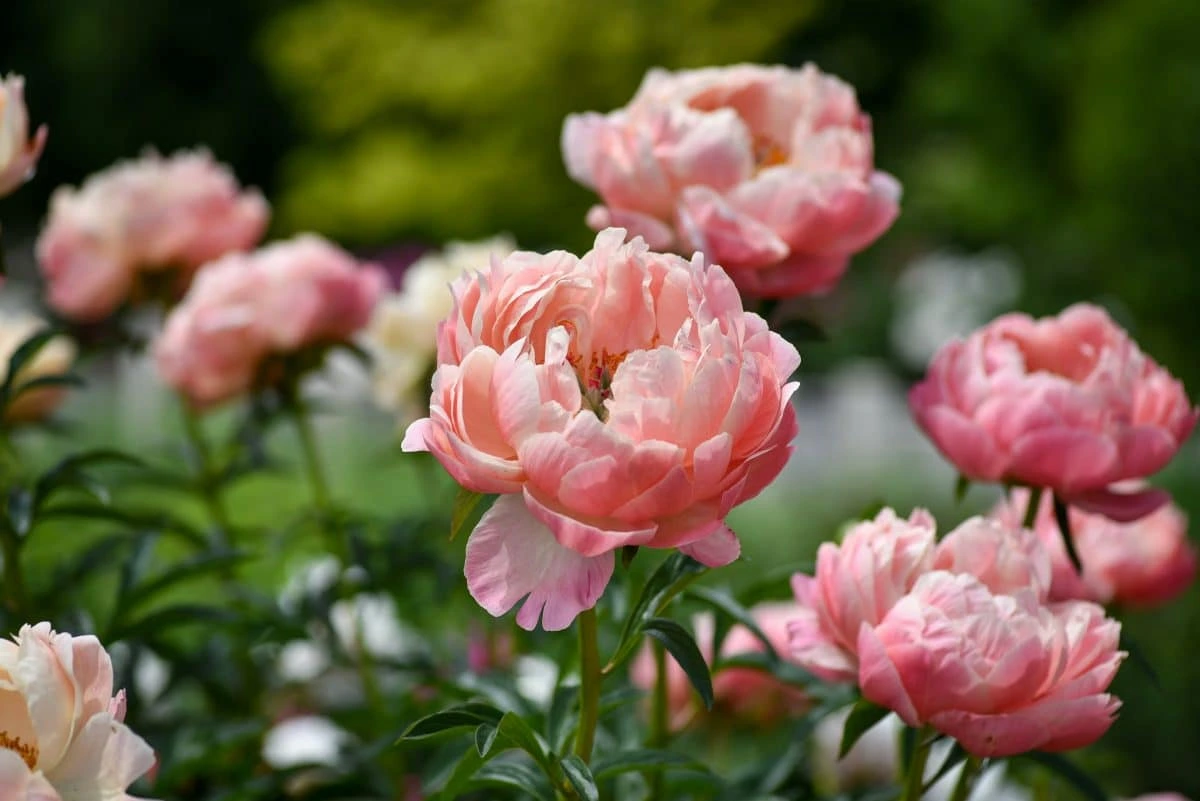
One of the many flowers that are currently in bloom during June are peonies. Peonies are a type of perennial flowering plant which is known for its beautiful blooms and rich fragrance. They belong to the Paeonia genus, which has been cultivated for many centuries and remains one of the most popular flowers in gardens around the world. Peony blooms come in many different varieties; they can include single-petalled varieties and also densely packed double flowers. They also come in a range of colours and shades, including white, pink, red, coral and deep burgundy.
When planted in the right location, a healthy peony can thrive for decades, producing impressive displays each year. They are reliable, low-maintenance perennial flowering plants that return year after year, making them an excellent choice for busy homeowners.
Today, growing peonies in the UK continues to be popular among both amateur gardeners and professional landscapers. Their elegant appearance, impressive lifespan and relatively straightforward peony flower care requirements make them a timeless addition to gardens of all sizes.
Popular and Rare Peony Varieties
One of the main reasons peonies are so popular is because of the incredible variety available. With so many varieties available, there is a peony to suit almost every gardener, whether beginner or experienced.
Popular Peony Varieties
Among the most widely grown herbaceous peonies is ‘Sarah Bernhardt’. This is a classic variety which is known for its large, soft pink blooms and sweet fragrance. This specific variety of peony was introduced over a century ago and continues to be one of the most recognisable and reliable peonies found in British gardens. Other popular peony varieties include ‘Karl Rosenfield’, admired for its rich crimson-red flowers, and ‘Festiva Maxima’, which produces elegant white blooms accented with flecks of red.
For gardeners seeking a more dramatic focal point, tree peonies offer enormous flowers that can reach over 20cm in diameter. These woody shrubs flower slightly earlier than many herbaceous varieties and are valued for their striking appearance and long lifespan.
In recent years, intersectional peonies, often referred to as Itoh peonies, have grown in popularity. These hybrids combine the large flowers of tree peonies with the sturdy growth habit of herbaceous peonies. Varieties such as ‘Bartzella’ are particularly prized for their vibrant yellow blooms, a colour that is relatively uncommon within the peony family.
Rare Peony Varieties
While many gardeners are familiar with the traditional pink and white peonies, there are several rare peony varieties which attract enthusiasts and collectors. Some species of peonies, which are closer to their wild ancestors, are less commonly grown but offer unique flower shapes and colours not often seen in modern cultivars.
The Fernleaf peony (Paeonia tenuifolia) is considered one of the most distinctive examples. Its finely divided foliage creates a delicate, feathery appearance that contrasts beautifully with its vivid red flowers. Due to its slower growth and limited availability, it is often regarded as a specialist garden plant.
Another unusual variety is the coral peony group, including cultivars such as ‘Coral Charm’. These flowers are particularly admired because their colour changes as the blooms mature, transitioning from vibrant coral-pink tones to softer peach and cream shades.
Choosing the Best Peonies for British Gardens
When selecting the best peonies for British gardens, factors such as available space, soil conditions and desired flower colour should all be considered. Herbaceous peonies are often the easiest option for beginners, while tree peonies provide architectural interest and long-term structure. Intersectional peonies offer an excellent balance between the two, delivering impressive blooms on strong stems that are less likely to flop during wet weather.
Whether you prefer traditional favourites or rarer collector’s varieties, peonies offer exceptional beauty, longevity and seasonal interest, making them one of the most rewarding flowering plants to grow.
How to Grow Peonies in UK Gardens
Despite their luxurious and outstanding appearance, peonies are surprisingly straightforward to establish and can reward gardeners with decades of spectacular blooms when planted in suitable conditions. However, before planting, understanding how to grow peonies successfully begins with choosing the right location and preparing the soil correctly.
Choosing the Right Location
Peonies thrive best when planted in positions that receive plenty of sunlight throughout the day. If a fully sunny position is unavailable, peonies can tolerate light shade; however, they have stronger growth and produce more flowers when planted in a sunny spot. Like many other plants, good air circulation around the plants is also very beneficial, helping to reduce the risk of fungal diseases and ensuring healthy foliage throughout the growing season.
When choosing the right location for your peonies, it is important to remember that they dislike being moved once they have established. These long-lived perennials can remain in the same position for many years, often becoming more productive with age.
The Best Soil for Peonies
The best soil for peonies is fertile, well-drained and rich in organic matter. Heavy clay soils can be improved by incorporating compost or well-rotted organic material before planting, while sandy soils may benefit from additional organic matter to help retain moisture and nutrients.
Peonies prefer neutral to slightly alkaline soil conditions, although they are generally adaptable provided drainage is adequate. Waterlogged ground should be avoided, as excessive moisture around the roots can lead to poor growth and potential root problems.
Planting Peonies
Correct planting depth is one of the most important factors when establishing peonies. Bare-root peonies are typically planted in autumn, giving the roots time to settle before spring growth begins. The crown, or growing buds, should sit only a few centimetres below the soil surface. Planting too deeply is a common reason for poor flowering, as it can delay or prevent bloom production altogether.
Container-grown peonies can be planted at most times of the year, although autumn and early spring are often considered ideal. Allow sufficient spacing between plants to accommodate their mature size and promote good airflow.
Watering and Feeding
Newly planted peonies benefit from regular watering during dry periods while they establish their root systems. Once mature, they are relatively drought-tolerant and typically require less attention than many other flowering plants.
Applying a balanced fertiliser in spring can help support healthy growth and flowering. A layer of compost or well-rotted manure around the base of the plant can also improve soil quality and provide a steady supply of nutrients throughout the growing season.
Supporting Healthy Growth
Some varieties, particularly those with large double blooms, may require support to prevent flower stems from bending under the weight of the flowers. Plant supports or discreet rings can be installed early in the season before foliage becomes dense.
As part of a long-term peony care guide, it is also important to remove faded flowers once blooming has finished. This allows the plant to direct energy towards root development and next year’s growth rather than seed production.
With the right growing conditions and minimal ongoing maintenance, growing peonies in the UK can be highly rewarding. Their impressive blooms, exceptional lifespan and reliable performance have helped secure their place as one of the most cherished plants in British gardens.
Why Peonies Remain a Garden Favourite
From their rich history and cultural significance to their breathtaking blooms and remarkable longevity, it is easy to see why peonies continue to captivate gardeners around the world. Whether grown for their beauty, fragrance or impressive lifespan, these perennial flowering plants have earned their place as a staple of British gardens.
With a wide range of popular peony varieties available, from traditional herbaceous peonies to striking tree and intersectional types, there is a variety to suit almost every garden style. Their ability to thrive for decades with relatively simple peony flower care makes them an attractive choice for both experienced gardeners and those new to gardening.
For anyone considering growing peonies in the UK, these elegant plants offer a rewarding combination of reliability, seasonal interest and spectacular flowers. While their blooming period may be relatively brief, the impact they create each spring and early summer is unforgettable.
Whether planted as a focal point, incorporated into mixed borders or featured in a cottage garden design, peonies remain a true garden favourite.